
TLDR: Instagram ads are best suited for brands with strong visual content and an existing organic presence. They excel at engagement and brand awareness, while still supporting full-funnel strategies like retargeting and sales. This guide covers ad formats, setup, targeting, and best practices, plus how to automate reporting with ASK BOSCO®.
Instagram ads are ideal when a business wants to reach a large audience using highly engaging, brand-led content. Unlike search-based PPC, where users are actively comparing options, Instagram is a discovery platform. Success comes from capturing attention as people scroll.
Instagram ads work best when:
Instagram is particularly powerful in the upper and mid-funnel, though it can support full-funnel strategies when paired with retargeting and conversion campaigns.
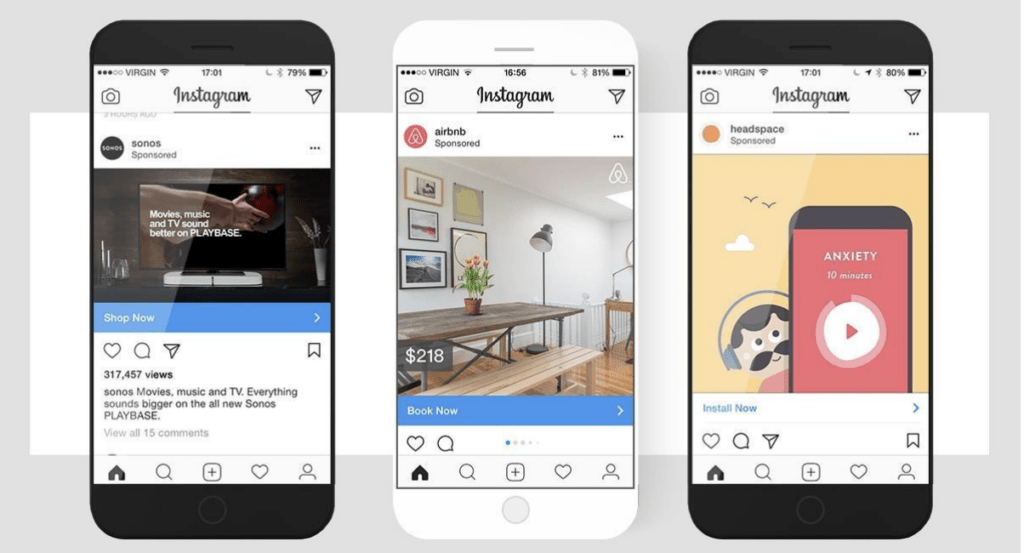
Instagram ads give brands access to massive reach across feeds, Stories, Reels, and the Explore tab, allowing content to appear seamlessly wherever users spend their time. The platform’s highly engaging ad formats are designed to feel native rather than disruptive, helping brands capture attention naturally as people scroll. Combined with Meta’s advanced targeting capabilities, including algorithm-led delivery, custom audiences, and Advantage+ automation, Instagram ads enable businesses to reach the right users at the right moment while still scaling efficiently.
Single static images that can be product-focused or lifestyle-led. Simple, effective, and ideal for clear messaging and direct landing pages.
Short-form (typically no longer than 15 seconds) video ads that appear in-feed, Stories, and Reels. These are often more engaging and perform best when they hook attention in the first three seconds.
Multiple images or videos within one ad format. Ideal for:
Full-screen, vertical ads that break up scrolling behaviour. Highly immersive and effective when safe zones are respected, and messaging is clear.
One of the most engaging placements. Brands can reuse organic Reels or create bespoke creative. Reels ads reward authenticity, trends, and strong hooks.
Dynamic, feed-based ads powered by a product catalogue. These link directly to product pages and are ideal for ecommerce brands scaling performance.
Audience targeting on Instagram has evolved significantly. Today, broader audiences often outperform tightly defined ones.
Key options include:
It’s best practice is to:
Broader audiences typically lead to lower CPMs, lower CPCs, and healthier frequency over time.
High-performing Instagram ads rely on bold visuals and strong transitions that immediately capture attention. Avoid slow or “boring” openings, as users decide within seconds whether to keep scrolling. Your creative should be designed to stop the scroll instantly, using striking imagery, movement, or messaging that clearly communicates value at a glance.
Every Instagram ad should include a clear and intentional call-to-action that tells users exactly what to do next, whether that’s visiting a website, viewing a product, or signing up. The CTA should also align with the stage of the marketing funnel, softer prompts work best for awareness and consideration, while more direct CTAs are better suited to conversion-focused campaigns.
Testing multiple creative formats is essential for understanding what resonates with different audience segments. Static images, video ads, carousel formats, and shopping ads all perform differently depending on user behaviour, so running A/B tests across formats helps identify which combinations drive the strongest results and allows budgets to be optimizedaccordingly.
User-generated content is one of the most effective creative approaches on Instagram. This can include employee-generated content, collaborations with content creators (who are often a more affordable alternative to influencers), or influencer partnerships where budget allows. Repurposing high-performing organic social posts into paid ads is also a proven way to scale content that already resonates with your audience.
To maximize performance, ads should hook viewers within the first three seconds, particularly for video and Reels placements. Creatives should be optimized for sound-off viewing by using subtitles, while respecting Instagram safe zones to ensure key messaging and branding aren’t cut off. Logos or brand identifiers should be clearly visible, and above all, contentshould feel authentic. Trends work best when they align naturally with your brand. Consistency across Instagram and Facebook placements further reinforces brand recall and improves overall campaign performance.
With ASK BOSCO®, brands can view Instagram and Meta campaigns in one consolidated dashboard, access clear month-on-month, week-on-week, and year-on-year comparisons, and customise reporting metrics based on their specific KPIs. This eliminates the limitations and inconsistencies often found in native platform reporting, enabling marketers to make faster, data-driven decisions. If you’re investing in Instagram ads, don’t rely solely on platform dashboards. Automate your paid social reporting with ASK BOSCO® and transform performance data into actionable insights, without the manual effort.