
Technical SEO is often described as the part of SEO that “no one sees,” yet it underpins everything else you do to improve search visibility. Without strong technical foundations, even the best content and most powerful link-building strategies can fail to deliver results. In this guide, we break down what technical SEO really is, why it matters, and how marketers can approach it with confidence.
TLDR: Technical SEO is one of the three core pillars of SEO, alongside content and authority. It focuses on the behind-the-scenes structure of a website, ensuring search engines can crawl, index, and understand pages correctly. Key areas include crawlability, indexability, site structure, page speed, Core Web Vitals, security, structured data, and preventing duplicate content. Getting technical SEO right ensures your most important pages are visible in search results and provides a strong foundation for long-term SEO success.
What is technical SEO?
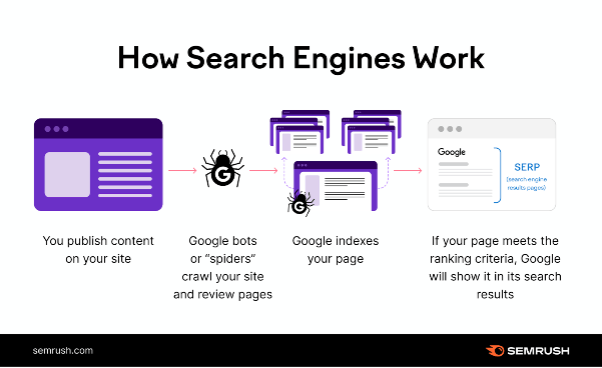
Technical SEO is one of the three main pillars that make up a holistic SEO strategy, alongside content SEO and link building or authority building. While content focuses on what users read and links focus on reputation, technical SEO is concerned with the fundamental building blocks of a website.
At its core, technical SEO refers to all the behind-the-scenes elements that allow a website to function properly for search engines. This includes the site’s code, such as HTML and JavaScript, as well as how pages are structured, discovered, crawled, and indexed. Although users may never see these elements directly, they are essential for ensuring that search engines can access a website and serve its pages in search results.
Ultimately, technical SEO exists to make sure a site is crawlable and indexable. Search engines need to be able to find your pages, understand them, and then decide to show them to users. If that process breaks down at any stage, visibility in search results will suffer, regardless of how strong the content may be.
Why technical SEO matters
Technical SEO matters because it gives marketers control over how search engines interact with a website. Not every page on a site should appear in search results, and technical SEO allows you to decide what search engines can and cannot access.
For example, many websites contain pages that exist purely for user experience or functionality, such as thank-you pages that appear after a form submission. These pages are often very thin on content and serve no purpose in organic search. If search engines crawl and index them, they can create issues such as thin content or duplication, which can negatively affect overall site quality.
At the same time, technical SEO ensures that all the pages you do want to rank, such as service pages, category pages, product pages, and blog content, are fully accessible and easy for search engines to find. By managing what is crawled, indexed, and blocked, technical SEO supports both visibility and performance across the entire site.
Key components of technical SEO
Crawlability and indexability
One of the most important aspects of technical SEO is crawlability and indexability. Crawlability refers to whether search engine bots can access and read a page, while indexability determines whether that page can actually appear in search results. A page may be crawled but still not indexed, which means it will never be visible to users through search.
XML sitemaps
To control this process, several technical components work together. XML sitemaps play a crucial role by listing all the pages you want search engines to index. This file acts as a guide for search engine bots, helping them understand which pages are most important. Keeping the sitemap clean and aligned with your indexing strategy is essential.
Robots.txt
Robots.txt is another key file that controls crawler access. It tells search engines which areas of the site they are allowed to visit and which areas should be ignored entirely. Because robots.txt is typically the first place a crawler looks, it is also best practice to include a link to your XML sitemap within it.
URL structure
Site hierarchy and URL structure are also central to technical SEO. A clear structure helps search engines understand how pages relate to one another. Using logical subfolders and consistent URL patterns makes it easier for crawlers to navigate the site and interpret content relevance.
Beyond structure, site speed and user experience are major technical considerations. This includes how quickly pages load, how stable page elements are as content loads, and how responsive the site is to user interactions. These factors are measured through Core Web Vitals, which assess loading performance, visual stability, and interactivity.
mobile usability
Security and mobile usability also fall under technical SEO. Ensuring a site is served over HTTPS and functions well on mobile devices is now considered a baseline expectation rather than an advanced optimisation.
schema markup
Finally, structured data, also known as schema markup, adds additional context to pages through extra code. While not essential for a page to exist, schema helps search engines better understand content and can enhance how pages appear in search results, such as through reviews or rich snippets.
Technical SEO best practices
Strong technical SEO starts with ensuring that everything you want indexed is accessible, and everything you do not want indexed is correctly blocked. This means regularly checking sitemaps, robots directives, and indexation settings to ensure they align with business goals.
Running regular technical audits is another best practice. These audits typically involve crawling the site to identify broken links, redirect chains, incorrect status codes, and crawl errors. It is important to monitor both 404 errors and unnecessary redirects, as these can accumulate over time and create inefficiencies for search engines.
Performance optimization is also key. While it is unrealistic to expect perfect Core Web Vitals scores, improving page speed, stability, and responsiveness where possible contributes to better user experience and stronger SEO foundations.
Internal linking should not be overlooked. Ensuring that all important pages are linked internally helps prevent orphan pages and allows search engines to understand which pages hold the most value within the site.
Finally, reviewing structured data implementation and fixing any errors ensures that search engines can fully interpret your content and display it effectively in search results.
Useful tools for technical SEO
A wide range of tools can support technical SEO efforts. Crawling tools are particularly valuable, such as Screaming Frog, as they replicate how search engines explore a site and highlight potential issues. These tools often provide large amounts of data, so understanding how to interpret and prioritise findings is essential.
Search engine reporting tools are also critical, as they provide real performance data directly from search engines. These reports can highlight indexing issues, Core Web Vitals performance, and crawl errors.
Speed testing tools offer further insight into how pages load and behave, combining lab data with real user metrics where available. Structured data testing tools help identify markup errors and ensure schema is correctly implemented. Using a combination of these tools provides a more complete picture of a site’s technical health than relying on a single platform alone.
Common technical SEO mistakes to avoid
One of the most common mistakes in technical SEO is neglecting regular maintenance. Over time, websites naturally accumulate broken links, outdated redirects, and legacy URLs, especially when multiple teams make changes without considering SEO impact.
Large or older sites are particularly prone to technical issues. Changes such as renaming categories, restructuring URLs, or removing pages without proper redirects can quickly lead to widespread crawl and indexing problems.
Another common mistake is over-focusing on a single metric, such as Core Web Vitals, at the expense of the bigger picture. While performance metrics are important, they should be considered alongside crawlability, structure, content, and authority rather than treated in isolation.
Duplicate content and keyword cannibalisation are also frequent issues, especially on ecommerce sites with filters and variations. Without proper canonicalization or unique content, multiple URLs can compete against each other, making it harder for search engines to decide which page should rank.
Conclusion
Technical SEO is often overlooked because it sits behind the scenes, but it plays a vital role in the success of any SEO strategy. Without strong technical foundations, search engines may struggle to crawl, index, and understand your website, limiting the visibility of even the best content. By focusing on areas such as crawlability, indexability, site structure, performance, security, and duplicate content prevention, technical SEO ensures your most valuable pages have the best possible chance of appearing in search results.
While technical SEO audits and specialist tools are essential for deep technical analysis, platforms like ASK BOSCO® can support SEO reporting by giving marketers a clear, high-level view of overall SEO performance.