TLDR: Luke is the Head of Digital Optimization, specialising in CRO, analytics, design, and data-driven experimentation. Starting his career in paid search and social ten years ago, he soon transitioned into conversion optimisation, where he found the perfect blend of creativity and analytical problem-solving.
A marketing funnel maps the journey a customer takes from discovering your brand to becoming a loyal advocate. It helps marketers deliver the right message at the right time, optimise conversions, and understand which channels drive value. This guide breaks down each stage of the funnel, explains different funnel types, outlines how to build one, highlights key metrics to track, and adds affiliate-specific guidance.
What is a marketing funnel?
A marketing funnel is a framework that visualizes how potential customers move through stages of awareness, interest, consideration, intent, purchase, and loyalty. Luke describes it as a structured way to understand and influence how people discover, evaluate, and choose a product, from first exposure to repeat purchase.
At the very top, brands capture attention through channels like social media, programmatic display, blogs, or even TV, all of which introduce customers to a problem or need they may not yet have fully recognised. This stage is powerful but harder to track because many visitors don’t convert immediately, meaning attribution becomes a challenge.
As customers move further down, they learn more about the brand, engage with content, evaluate options, and eventually take action. The funnel continues past purchase into loyalty, referrals, and repeat sales, completing a full lifecycle.
Stages of a marketing funnel
Awareness
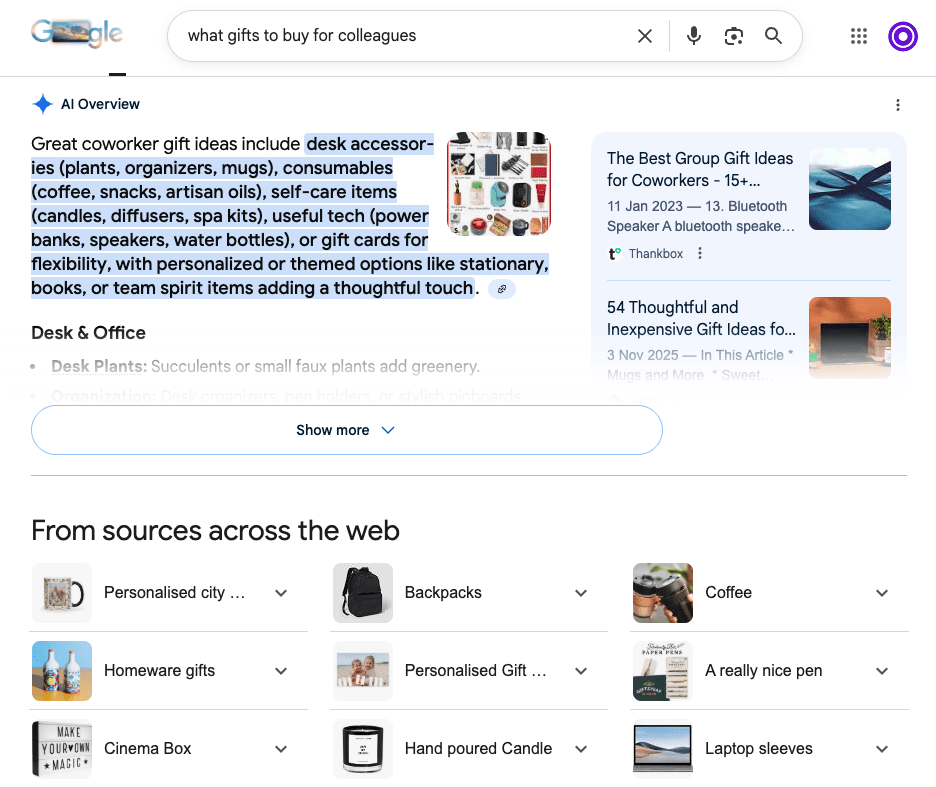
The first exposure point, where brands reach broad audiences through blog content, informational articles, social media, YouTube ads, programmatic campaigns, or even offline media. This stage is focused on visibility, impressions, and recall, and is the hardest to attribute directly to conversions.
Example: searchers looking for “the best gift for a colleague for Christmas” might discover a brand through blog posts that answer that question.
Affiliate angle:
Affiliates help drive awareness via top-of-funnel content such as listicles, reviews, and social posts that introduce the brand and highlight its USPs.
Interest
At this stage, potential customers begin exploring the brand, browsing websites, reading product information, or engaging in retargeting journeys. They’re learning what the company offers and whether it aligns with their needs.
Affiliate angle:
Further educational content, comparisons, guides, or retargeting ads, helps keep the brand front-of-mind.
Consideration
Customers now actively compare solutions and need reassurance. They might read deeper product pages, reviews, or value propositions, such as “eco-friendly candles” or “best gifts for 2025” roundups.
This is where brands build a relationship with the customer by explaining benefits, values, and differentiators.
Affiliate angle:
Detailed reviews, newsletter inclusions, and curated recommendation articles are effective at nudging users toward a decision.
Desire / intent
Customers are close to purchasing but may require a final push. This is where offers and incentives become important, for example, “Free shipping before the 10th of December” or bundled discounts.
Affiliate angle:
Cashback, voucher codes, or timed incentives often play a key role here.
Action / purchase
The conversion moment. CRO becomes crucial: simplified checkouts, clear CTAs, and frictionless design help turn intent into action. It’s important to optimize this stage to maximize sales .
Affiliate angle:
Customer completes purchase through the affiliate link.
Loyalty
The final stage, focusing on retention, reviews, and re-engagement. This includes trust-building (e.g., Trustpilot reviews), referral programmes, and personalised offers for returning customers.
Affiliate angle:
Referral schemes and loyalty incentives drive additional purchases and advocacy.
Benefits of marketing funnels
Clear messaging at every stage
By dividing the customer journey into phases, brands can tailor messaging to user needs at each point. For example:
- Awareness: informational content
- Consideration: detailed product information
- Desire: offers and incentives
This segmentation enables more relevant communication and better performance.
Improved customer retention
A well-designed funnel nurtures customers even after purchase, encouraging long-term loyalty.
Better allocation of resources
Understanding where users drop off helps prioritise investment across channels.
Enhanced SEO & content strategy
Funnel thinking helps identify which content types belong at each stage, such as informational blogs at the top and product-focused SEO pages for mid-funnel audiences.
Types of marketing & sales funnels
B2C funnels
Highly transactional. A typical B2C journey includes:
- Blog content (awareness)
- Category page (interest)
- Product page (consideration)
- Checkout (action)
Platforms like Shopify streamline the purchase journey, making B2C funnels shorter and faster.
B2B funnels
The stages are similar but often longer and more complex. The “action” stage may involve:
- Form submissions
- Sales calls
- Post-form nurturing
- Multi-step qualification
A B2B lead could be contacted within 20 minutes of completing a form and nurtured over days or weeks before converting, making attribution significantly more intricate.
Content funnels
Start with informational SEO content (like “What is magnesium butter?”), move into consideration articles (“Benefits of magnesium butter”), then lead users toward product pages and conversion points. This example shows how topics cascade down the funnel from awareness to desire.
Ecommerce funnels
Designed to minimise friction and simplify purchasing. Often involve:
- Product discovery
- Reviews and validation
- Basket optimization
- CRO enhancements
- Discounts or urgency messaging
Email funnels
Useful for nurturing warm leads. These might include educational sequences, promotional flows, abandoned cart recovery, and post-purchase follow-ups.
Webinar or lead gen funnels
These typically involve:
- Awareness: ads or blog posts promoting the webinar
- Interest: sign-up pages
- Consideration: reminder emails or preview content
- Action: attendance and follow-up sales funnels
How to build a marketing funnel
The funnel creation process, starts with thinking backwards: start with your product, then determine who the customer is and what they search for.
Define your audience
Identify demographics, motivations, pain points, and search behaviour. Example: magnesium butter customers were identified as health-conscious gym-goers seeking better sleep.
Conduct keyword and topic research
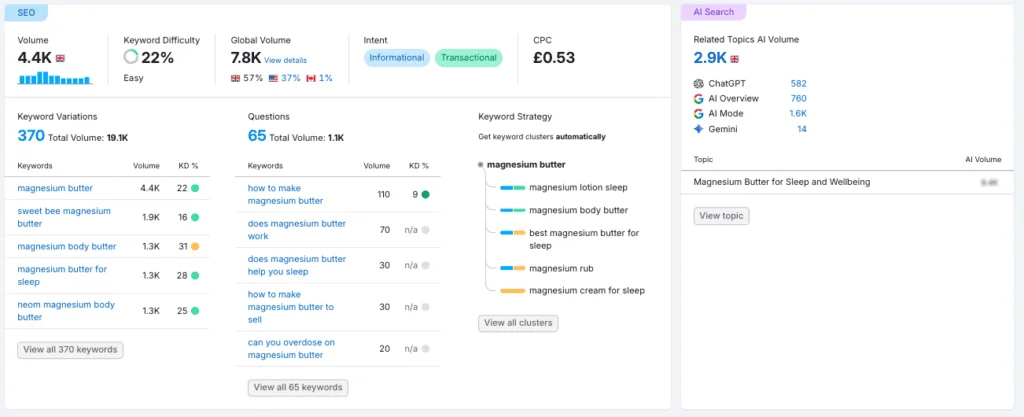
Understand what people search for, from high-intent queries (“buy magnesium butter”) to awareness-stage questions (“what is magnesium butter?”).
Map content to funnel stages
- Awareness → blogs, guides, FAQs
- Consideration → product comparisons, category pages
- Desire → USPs, benefits, offers
- Action → optimised product pages, streamlined checkout
Loyalty → reviews, referrals, personalised incentives
Build supporting UX & CRO
Ensure the site supports the journey, clear CTAs, mobile-friendly layouts, fast load times, simple forms, and persuasive design.
Integrate marketing channels
Include SEO, PPC, affiliates, email, social, retargeting, and influencer marketing.
Test, measure, optimize
Continuously review performance metrics at each stage and refine content, targeting, and UX accordingly.
Common marketing funnel metrics
There’s a range of key metrics that help marketers understand how effectively each stage is performing. In the awareness phase, the focus is on visibility rather than conversions. Metrics here include impressions, CPM, blog traffic, and search volumes, all indicators of whether your brand is being seen by the right audiences. With the role of ad recall surveys, such as the YouTube prompts that ask viewers whether they remember seeing a specific brand. These softer metrics matter because, at this early stage, customers may not yet visit the website or take measurable actions, making top-of-funnel performance harder to track directly.
Moving into the interest and consideration phases, metrics become more engagement focused. Sessions and bounce rate help indicate whether the traffic landing on your site is relevant and interacting meaningfully with your content. Engagement metrics, including time on page, scroll depth, and click-through behaviour, offer insight into how well your content resonates. At this point, it’s important to monitor how much traffic SEO and PPC channels are driving to both category and product pages, as this reflects how effectively your messaging aligns with user intent.
In the desire stage, customers are showing clear intent, so metrics become more commercially aligned. Product page views reveal which items are gaining traction, while add-to-cart events show how many users are moving beyond browsing into active purchase consideration. Returning visitor percentage is another valuable indicator here, as repeat visits often suggest growing interest and a higher likelihood of conversion.
The action or conversion stage is where performance becomes easiest to measure. Metrics such as revenue, conversion rate, and CPA are the core KPIs at this point, especially for ecommerce journeys. In B2B funnels, contract signings or closed deals replace purchases as the primary success metric. These indicators represent the tangible outcomes of all the earlier funnel activities and directly impact overall profitability.
Finally, loyalty metrics evaluate long-term customer value beyond the initial purchase. These include lifetime value, repeat purchase rate, and referral conversion rate, all crucial for understanding how well the business retains and nurtures its audience over time. Strong post-purchase engagement not only drives incremental revenue but also supports advocacy and brand trust.
To support ongoing measurement across the funnel, we recommend using tools like ASK BOSCO’s Website Performance Overview Report and Forecasting Tool, which help marketers evaluate channel performance, predict outcomes, and understand where best to allocate budget within the funnel structure.
Conclusion
Marketing funnels are essential for structuring customer journeys, improving messaging, and maximizing conversions. With clear stages and relevant metrics, businesses can understand where customers are, what they need, and how to move them toward action, and beyond, into loyalty and advocacy.
Whether building funnels for affiliates, B2C ecommerce, B2B services, or content-led growth, the principles remain the same: understand your audience, deliver tailored value at every stage, and optimize the journey continuously. For more insights and tailored strategies for your marketing funnels, please get in contact with our team, at ASK BOSCO®, or you can email us at, team@askbosco.com.